
At Lizards, we assist many clients with the design and installation of bioethanol fireplaces, whether they are freestanding, wall-mounted, built-in, or garden fireplaces. Here are the key points to know before you start.
- What is a bioethanol fireplace?
A bioethanol fireplace is a ventless hearth that operates with a liquid fuel: bioethanol. This is an alcohol produced by the fermentation of sugars from agricultural or forestry raw materials. When it burns in a suitable burner, it primarily releases carbon dioxide and water vapor.
Unlike a traditional fireplace, there is no smoke, no soot, no ash, and no chimney flue to create or renovate. This makes the technology particularly appealing for renovations or in homes where a classic fireplace cannot be installed.
- Does it really provide heat?
Yes, a bioethanol fireplace can provide significant supplementary heat. As an indication, a 2-liter burner generally produces a power output of approximately 2.26 to 3.26 kW, which can warm a room of about 30 m², depending on insulation and layout.
However, it’s important to remember that it is a supplementary heating source, not the sole heating system for the home. The main benefit remains the combination of real flame, thermal comfort, and installation flexibility.
- Different types of bioethanol fireplaces
There are several main categories of bioethanol fireplaces:
- Freestanding fireplaces: mobile, ready-to-use hearths that can be moved from one room to another. Ideal for experiencing the ambiance of a fire without any installation work.
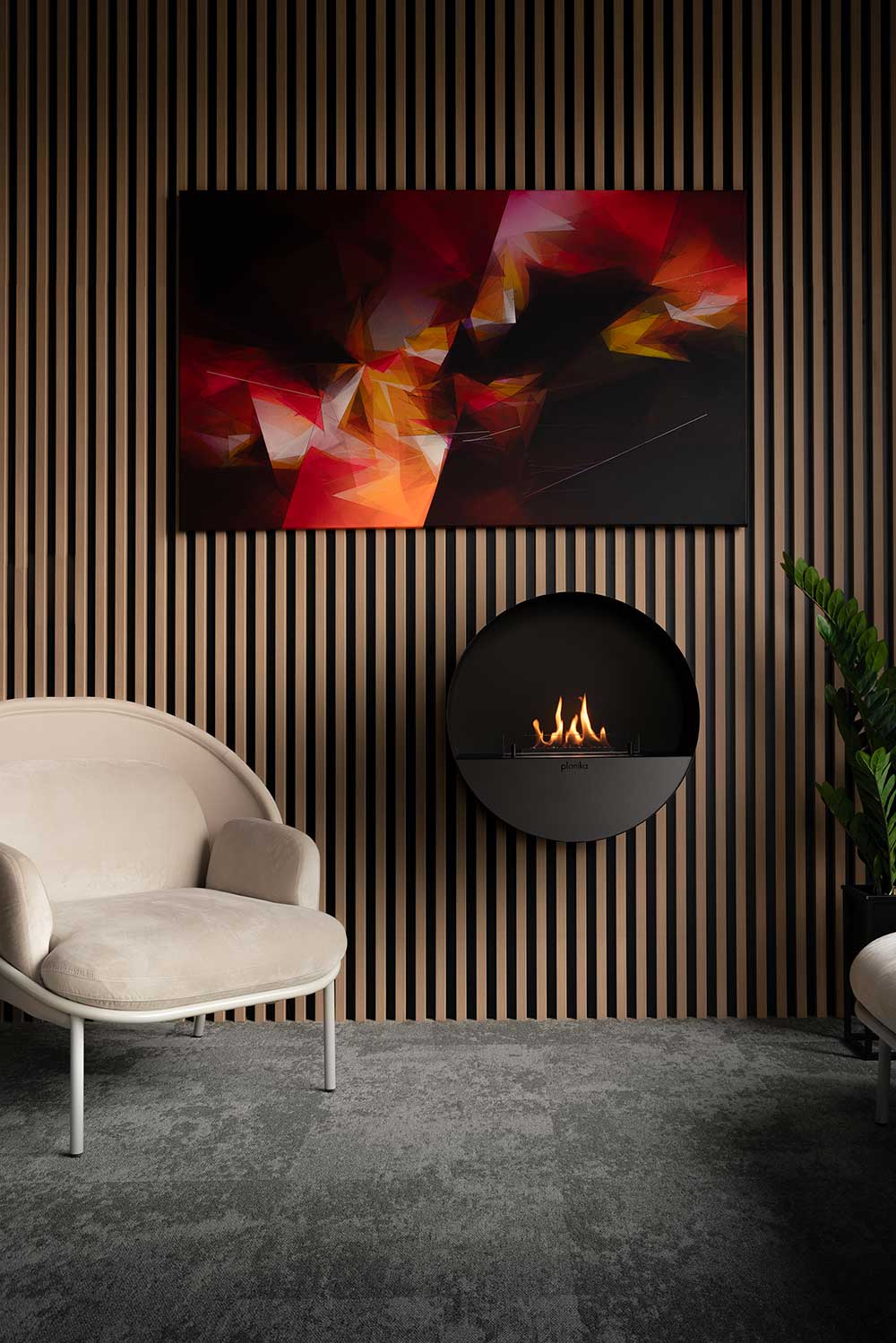
- Wall-mounted fireplaces: fixed to the wall like a painting, they create a strong focal point in the living room, bedroom, or office.
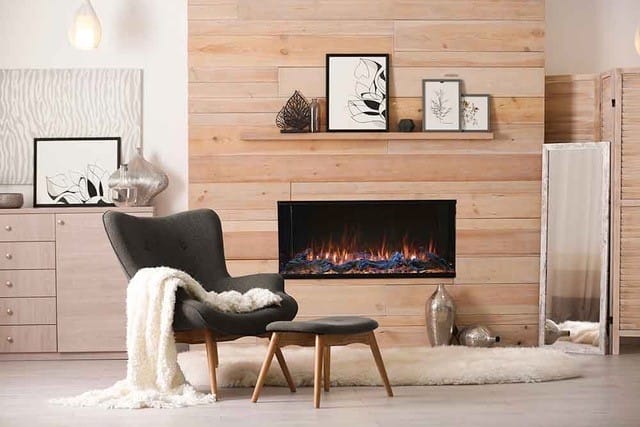
- Built-in fireplaces: integrated into a niche or custom-made casing, they offer a highly architectural and contemporary look.
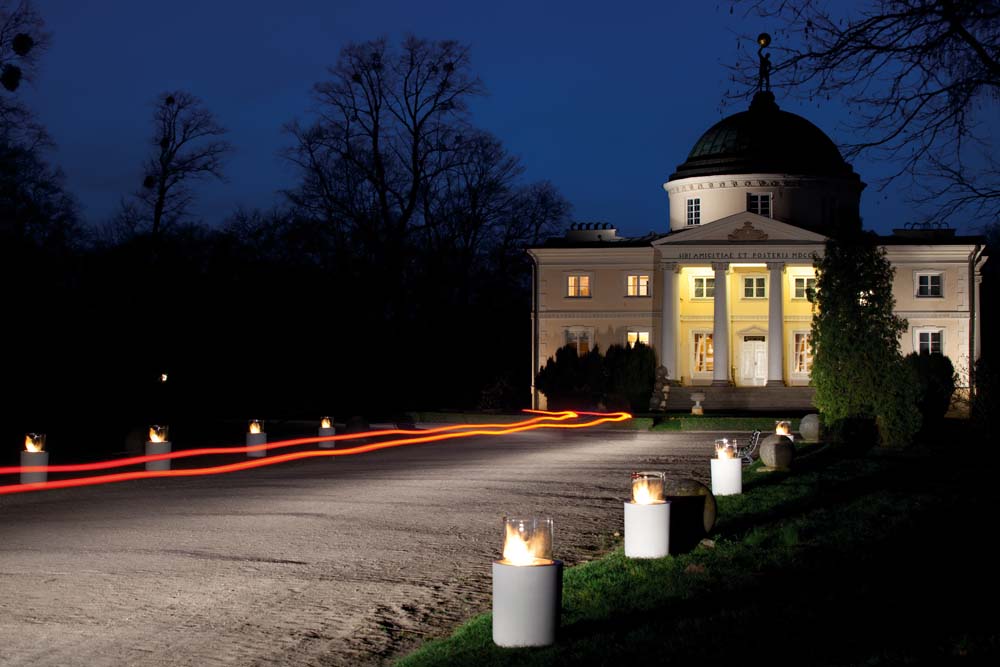
- Bioethanol garden fireplaces: designed for outdoor use, they extend the ambiance of a fire to a terrace or a sheltered outdoor area.
The choice depends on your space, the level of work you are willing to undertake, and the desired aesthetic result.
- Safety and best practices
As with any real flame hearth, safety is paramount. Here are some basic principles:
- Use only quality bioethanol, specifically designed for domestic fireplaces.
- Observe safety distances from flammable materials (curtains, furniture, etc.).
- Never refill the burner when it is still hot or in operation.
- Ensure sufficient ventilation in the room.
- Always follow the manufacturer’s recommendations and the instructions provided during commissioning.
At Lizards, each bioethanol project is studied in detail. For built-in or integrated installations, we can conduct a technical site visit to verify feasibility, environment, and safety conditions.
- How to prepare your project with Lizards?
To get started, it’s helpful to gather some information:
- Photos of the room where you envision the fireplace.
- Approximate dimensions of the available space.
- Type of dwelling (house, apartment, commercial space, hotel, etc.).
- Your expectations: primarily visual ambiance, supplementary heat, integration into furniture, creation of a new focal point, etc.
From there, we help you choose the type of fireplace (freestanding, wall-mounted, built-in, or garden) and the model best suited to your situation. We can then support you through all stages: study, visit, installation, handover, and after-sales service.